.webp)
.png)
A clear scope comes
The client should know what is decided, what remains open and what happens next.
Water ingress repairs in Sydney require more than a list of finishes or trades. The existing property, intended outcome, available documents and practical constraints need to be understood before the work is sequenced. For this service, the scope commonly involves investigation-led scope review, controlled opening-up where approved, repair of the verified source, drying or reinstatement and completion records.
The project contact keeps questions, selections, consultant information and site updates connected. Open decisions are recorded with a responsible person and a useful due date, while any change affecting scope or sequence is explained before the revised direction is approved.
Our Premium Services.
Leak investigation and opening-up
Coordinate visual review, moisture evidence, targeted access and opening-up so likely entry points and concealed conditions can be assessed. For Sydney assets, the review can prioritise the most credible ingress routes and define sensible hold points before broader demolition is considered.
Balcony and window interfaces
Repair junctions involving membranes, thresholds, flashings, glazing, sealants and adjacent facade elements where the documented scope requires it. Sydney balcony and glazing details should be reviewed as connected interfaces, with each ingress risk assessed against the documented symptoms and available evidence.
Roof, facade and basement leaks
Plan repairs around safe access, temporary weather protection, drainage paths, substrates and the connected building-envelope details. Before procurement, the team reviews drawings, product requirements, substrate limits, temporary protection and trade sequencing. This practical check clarifies which elements can be retained, which require replacement and when inspection points should occur. It also gives stakeholders a clearer picture of site impacts, lead times and the information needed for approval.
Making-good and handover
Reinstate affected finishes after the repair, complete agreed verification and provide a clear record of products, testing and completed work.
A project clients can follow
Define the scope
Review the property, intended outcome, existing information and responsibilities before delivery is treated as ready.
Coordinate decisions
Keep selections, site questions and approved changes documented against the current project information.
Complete the handover
Walk through the work, record agreed actions and explain what the client receives next.
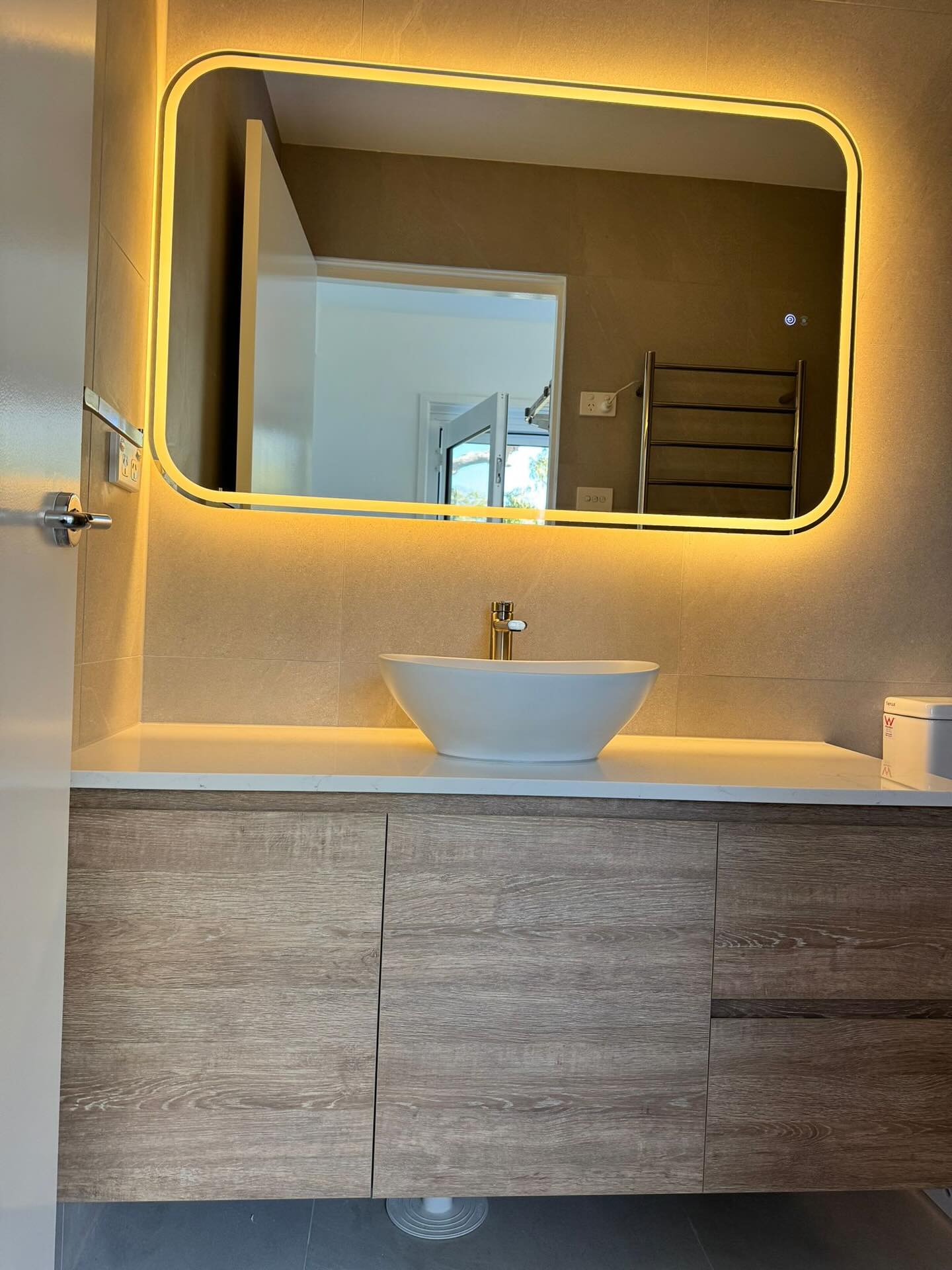
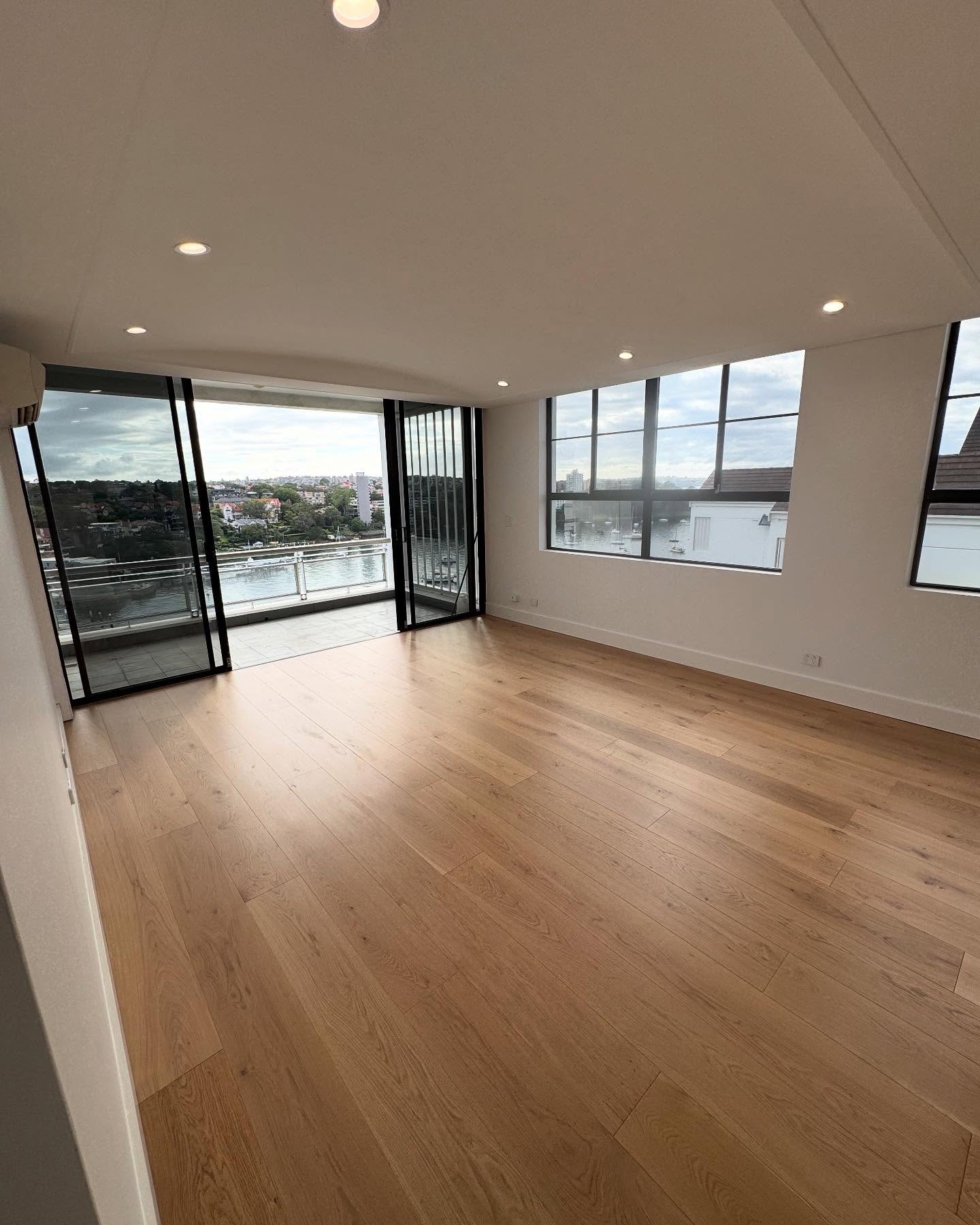
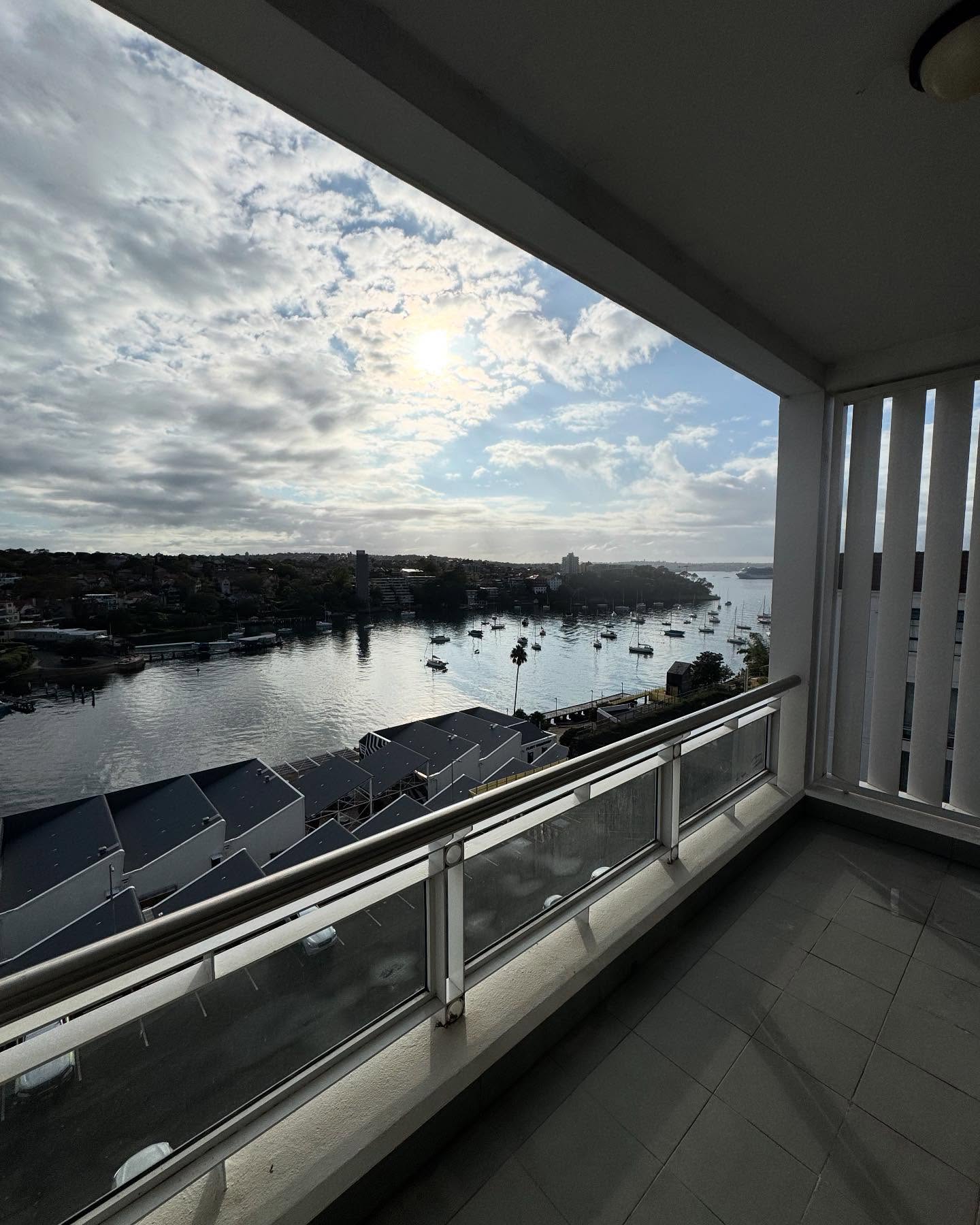
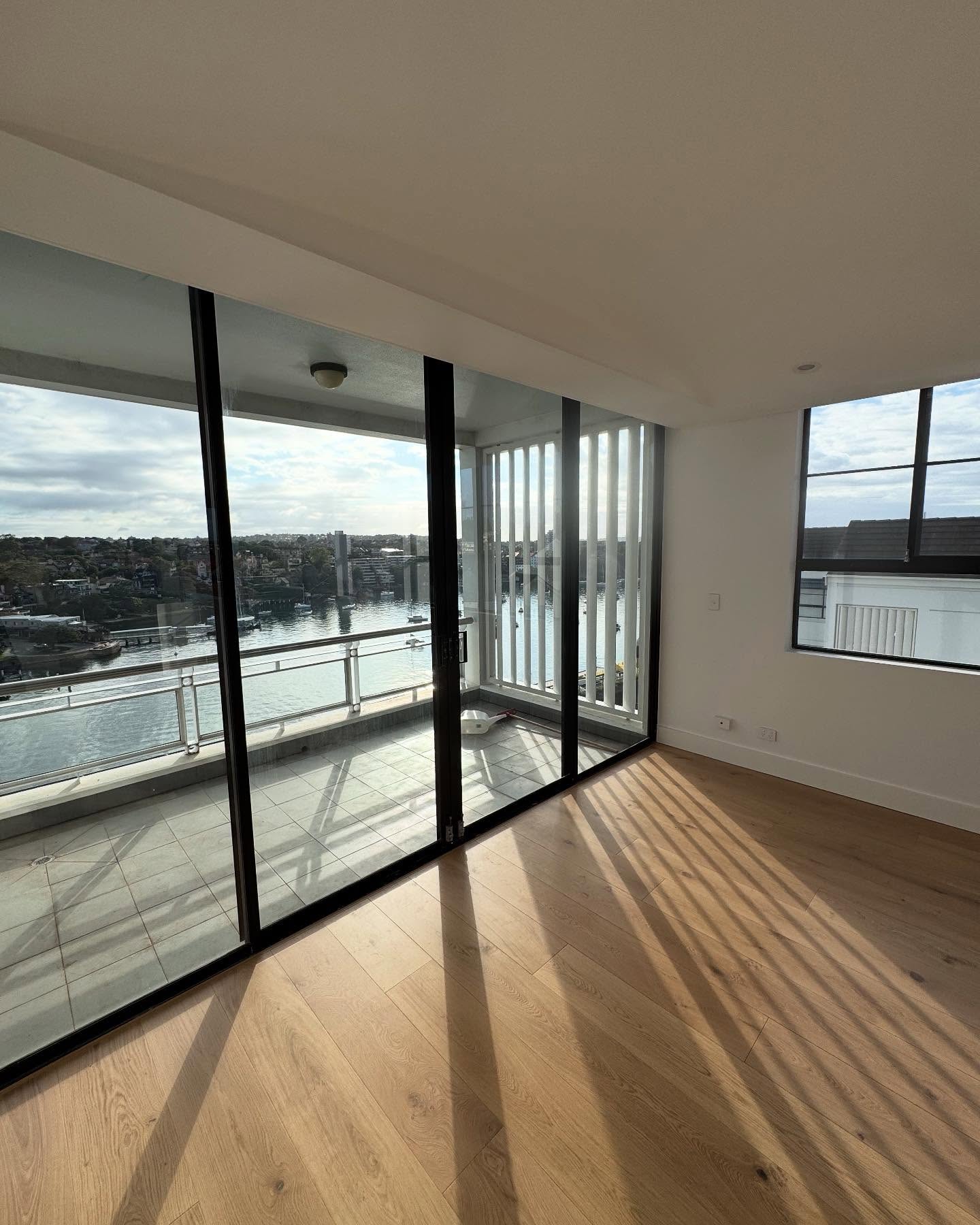
The client should not have to reconcile separate conversations to understand the current project position.
What the service can cover
The exact inclusions depend on the property and the approved information. A coordinated scope may cover investigation-led scope review, controlled opening-up where approved, repair of the verified source, drying or reinstatement and completion records. Related work is separated into clear responsibilities so the client can see what is included, which information must be supplied by others and where a consultant or authority decision is still required.
How the project moves forward
Discovery defines the outcome and immediate questions. Site and document review identifies missing inputs. Scope coordination aligns drawings, selections, responsibilities and approvals. Pre-construction confirms access, protection, decision dates and the work sequence. During construction, updates cover completed work, upcoming activities and outstanding decisions. Handover records agreed completion items and explains the next steps.
At each stage, the client receives information that helps them make the next decision. This may be a request for a drawing, a product selection, access confirmation or approval of a documented change. The aim is to prevent scattered conversations from becoming conflicting instructions.
Decisions and risks to manage
Project-specific review should address the actual water path, weather conditions, concealed interfaces, compatible materials, access and consultant requirements. The consequence of each issue depends on the property and the issued scope. Where further investigation or practitioner input is needed, that requirement is stated clearly rather than replaced by a website promise.
Managing site impact
Leak investigation and repair may affect occupied rooms, facades, balconies, roofs or common property. Before work starts, the client should understand site access, protection measures, working areas, deliveries and likely service interruptions. If the property remains occupied or operational, staging and boundaries must be matched to the actual scope.
Noise, dust and restricted access cannot always be removed, but they can be made more predictable through sequencing, tidy work zones, planned deliveries and notice of higher-impact activities. Updates should explain when the project is moving into a different stage and whether the site plan needs to change.
What clients can expect
Clients should know who coordinates day-to-day questions, how progress is reported and where decisions are recorded. A useful update confirms completed work, the next planned activity, information still required and any approved change to the sequence. It does not rely on the client piecing together separate trade messages.
Handover and the next step
Handover includes a walk-through of the completed work, relevant testing or demonstrations, and a documented list of any agreed completion actions. Available product, care, consultant or warranty information is organised for the client. The handover also explains how outstanding items will be tracked and who to contact if a question arises after the main site work is complete.
We coordinate water ingress repairs across Greater Sydney, including the Eastern Suburbs around Bondi, Bellevue Hill, Double Bay and Vaucluse; the North Shore around Mosman and Neutral Bay; and the Northern Beaches around Manly, Freshwater and Newport. Site conditions are reviewed individually.