.webp)

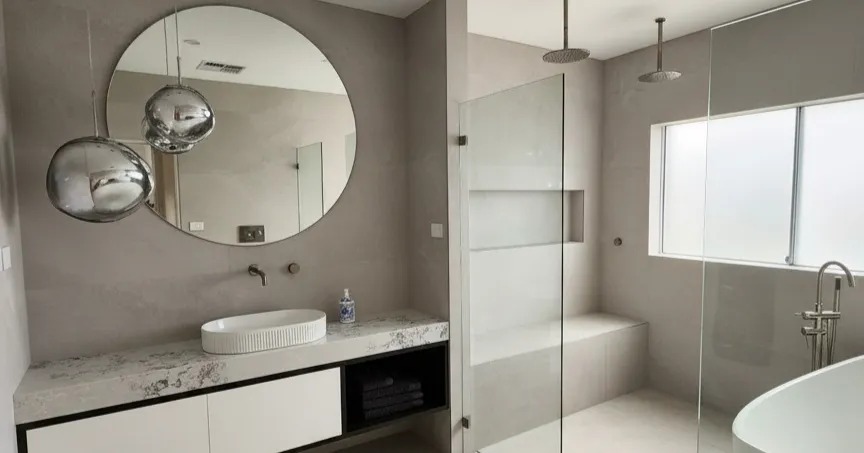
A bathroom renovation can be one of the most rewarding projects in your home. It’s an opportunity to transform a functional space into one that is stylish, comfortable, and tailored to your needs. However, even the smallest oversight can lead to costly delays, unexpected expenses, or disappointing results. Understanding the common mistakes made during bathroom renovations can help you plan effectively and achieve a flawless outcome.
Below are the most frequent errors homeowners encounter and how to avoid them when planning your next renovation project.
Poor Planning and Budgeting
One of the most common mistakes in any bathroom renovation is starting without a clear plan. A well-thought-out plan ensures every design choice and material selection aligns with your goals, budget, and lifestyle.
When planning, consider:
- The overall design and layout
- The size and shape of your bathroom
- Storage needs and accessibility
- Plumbing and electrical configurations
- Material selections and finishes
Without a proper plan, you risk overspending or needing to redo work later. Setting a realistic budget is equally important. Many homeowners underestimate the cost of materials and labour, leading to financial strain mid-project.
Tip: Always include a contingency allowance of at least 10–15% for unexpected expenses.
Ignoring the Bathroom Layout
A poor layout can make even the most luxurious bathroom feel cramped or impractical. Functionality should always come before aesthetics. For example, placing the toilet in direct view from the door or cramming the shower space can affect comfort and usability.
Consider the natural flow of movement within the room. Make sure doors, drawers, and cabinets open freely without obstruction. The key to a successful luxury bathroom renovation lies in balancing form and function.
Avoid:
- Placing fixtures too close together
- Overcrowding with bulky furniture
- Forgetting about adequate circulation space
A well-designed layout can make a small bathroom appear more spacious and a large bathroom more harmonious.
Overlooking Proper Ventilation
Bathrooms are exposed to high levels of moisture daily. Without proper ventilation, this moisture can lead to mould, mildew, and long-term structural damage. Many homeowners focus heavily on design features like tiles and lighting while forgetting the importance of airflow.
Make sure your renovation plan includes:
- A high-quality exhaust fan
- Proper window placement if possible
- Regular maintenance of vents and ducts
Ventilation not only prevents moisture damage but also helps maintain air quality and prolong the life of paint, grout, and cabinetry.
Choosing the Wrong Materials
Bathrooms experience constant humidity, temperature changes, and water exposure. Choosing materials that are not moisture-resistant can cause issues such as warping, mould growth, and surface damage.
Common mistakes include using:
- Standard MDF cabinets instead of waterproof options
- Non-sealed tiles or grout
- Low-quality paint not designed for wet areas
Always select materials specifically designed for bathrooms. Look for moisture-resistant plasterboard, waterproof membranes, and slip-resistant flooring.
Tip: Porcelain or ceramic tiles are excellent options for both floors and walls due to their durability and water resistance.
Neglecting Storage Solutions
Storage is often underestimated in renovations. A lack of functional storage can lead to cluttered benchtops and reduced usability.
When planning your design, think about how you use the space daily. Consider including:
- Built-in cabinetry or vanity drawers
- Recessed shelving in showers
- Wall-mounted storage units
- Floating shelves for additional space
Maximising vertical space and hidden storage can help maintain a clean and organised appearance.
Poor Lighting Choices
Lighting plays a crucial role in both the look and functionality of your bathroom. Relying solely on overhead lighting can create shadows and make grooming tasks difficult.
A well-lit bathroom should include a combination of:
- Ambient lighting for general illumination
- Task lighting near mirrors and vanities
- Accent lighting to highlight design features
Avoid harsh white lights and instead choose soft, warm tones that complement your bathroom’s colour scheme. Consider using energy-efficient LED fixtures to save on long-term electricity costs.
Forgetting About Waterproofing
Waterproofing is one of the most critical stages of any renovation. Failing to properly seal wet areas can lead to leaks, structural damage, and costly repairs later.
Professional waterproofing involves:
- Applying a waterproof membrane under tiles
- Sealing joints, corners, and shower recesses
- Following Australian Standard AS 3740 for wet area waterproofing
Even small leaks can cause major damage over time. Always ensure a licensed professional completes the waterproofing work and provides certification for compliance.
Underestimating the Importance of Plumbing and Electrical Work
Bathroom renovations often involve complex plumbing and electrical upgrades. Attempting to modify these systems without professional expertise can result in safety hazards and non-compliance with Australian building codes.
Always hire licensed tradespeople for:
- Repositioning fixtures like sinks, showers, or toilets
- Installing lighting, exhaust fans, and heated towel rails
- Upgrading water-saving or energy-efficient systems
Proper installation ensures your renovation is safe, durable, and compliant with local regulations.
Skipping Professional Design Advice
Many homeowners try to save costs by handling the design themselves. However, bathrooms require careful planning to ensure every detail works together seamlessly.
Working with a professional designer or experienced builder can help you avoid layout inefficiencies, style mismatches, and budget overruns.
Professionals bring expertise in:
- Space optimisation
- Material coordination
- Lighting design
- Compliance with Australian building standards
A good designer will also help you visualise your bathroom renovation through 3D plans or concept boards before construction begins.
Overdoing the Trends
While it’s tempting to follow the latest design trends, they can quickly date your bathroom. What looks fashionable today may appear outdated in just a few years.
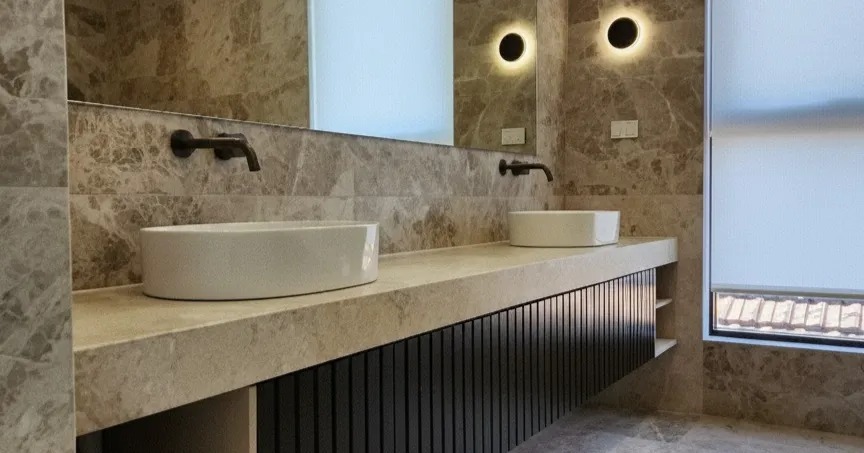
Instead of focusing solely on current styles, prioritise timeless elements and quality finishes. Neutral tones, clean lines, and natural materials often stand the test of time. You can always incorporate trendy accents through decor items like mirrors, towels, and accessories that can be easily updated later.
Neglecting Accessibility and Long-Term Use
When renovating a bathroom, it’s important to think beyond immediate needs. Consider how your lifestyle may change over time. Features that improve accessibility can increase both convenience and property value.
Consider incorporating:
- Walk-in showers with no step
- Wider doorways for easier access
- Non-slip flooring
- Lever-style taps and handles
Designing with future use in mind ensures your bathroom remains functional for years to come.
Not Allowing Enough Time for the Project
A rushed renovation often leads to mistakes. Many homeowners underestimate how long a quality bathroom renovation takes, from planning to completion.
Each phase—design, demolition, plumbing, tiling, and finishing—requires time and coordination. Skipping steps or pressuring trades to hurry can compromise quality.
Tip: Plan your renovation timeline carefully and allow for delays due to weather, supply issues, or unforeseen complications.
Ignoring the Importance of Drainage
Proper drainage ensures your bathroom remains dry, safe, and hygienic. Poor drainage can cause water pooling, mould growth, and slippery surfaces.
Always ensure:
- Floors are sloped correctly towards drains
- Shower recesses have adequate fall
- Drain locations are aligned with plumbing plans
Good drainage design protects your bathroom from long-term damage and enhances usability.
Conclusion
Avoiding these common bathroom renovation mistakes can save you time, money, and unnecessary stress. Careful planning, choosing the right materials, and working with qualified professionals are essential for creating a stylish and functional space that lasts.
Whether you’re updating a small ensuite or undertaking a full bathroom renovation, attention to detail makes all the difference.
If you’re planning a bathroom renovation and want expert guidance from experienced professionals, contact us today to discuss your project and get started on transforming your space.